
Cannabis Hazardous Waste vs. Non-Hazardous
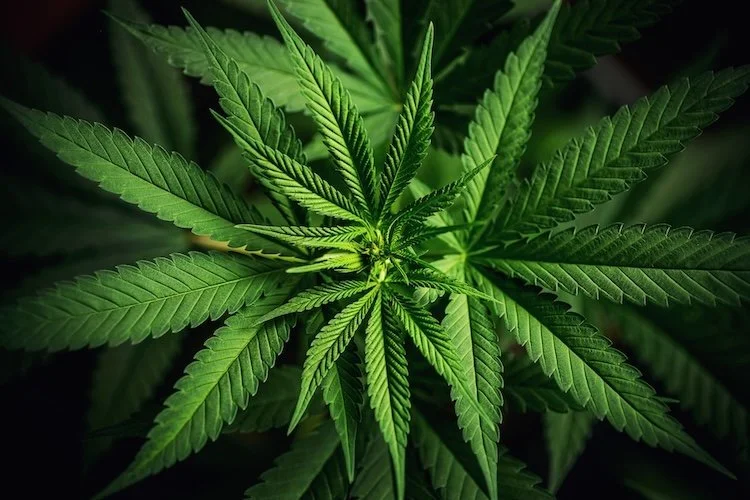
Not all cannabis waste is handled the same. In Missouri, how you process plant material depends on whether it’s classified as hazardous or non-hazardous, and that distinction affects everything from cannabis waste rendering to ID requirements.
Below, we walk through commonly asked questions to help you navigate cannabis waste requirements with accuracy and accountability.
What Is Cannabis Waste?
Cultivation, manufacturing, dispensary, testing, and transportation facilities generate cannabis waste, which is defined as excess or unusable marijuana or marijuana byproduct that is non-hazardous. This includes plant waste, such as stalks, flowers, trim, leaves, stems, extracts, spent solvents, and other laboratory wastes.
Does Cannabis Waste Need to Be Rendered?
Any marijuana plant material that does not meet the definition of hazardous waste must be managed in accordance with 19 CSR 100-1.150. It must first be rendered unusable by grinding and combining it with other non-hazardous ground materials. The resulting mixture must contain at least 50% non-marijuana waste by volume, whether the added material is compostable or non-compostable.
How Often Do I Need to Dispose of My Cannabis Waste?
Cannabis waste should be properly secured and rendered weekly or as soon as receptacles are full. This regularly scheduled attention to disposal prevents biosecurity risks such as mold and reduces the opportunity for other contaminants to spread.
Is My Cannabis Waste Hazardous?
Cannabis plant material is only hazardous if it’s been treated or contaminated with a hazardous waste constituent. Per 40 CFR 262.11, each licensee is responsible for properly evaluating their waste and documenting those findings.
Improper disposal of cannabis waste with hazardous characteristics can result in a range of adverse consequences, including soil and water contamination, air pollution, and harm to wildlife and ecosystems. Plus, failure to comply with hazardous waste regulations can lead to hefty fines, legal liabilities, and reputational damage for businesses.
Do I Need a Hazardous Waste Generator ID?
Cannabis businesses in Missouri must comply with hazardous waste regulations for waste storage, transportation, and disposal methods set by the Environmental Protection Agency (EPA) and the Missouri Department of Natural Resources (MO DNR).
As such, facilities must obtain an EPA Identification (EPA ID) if they produce more than the maximum monthly threshold for Very Small Quantity Generators (VSQGs). They can do so by completing EPA Form 8700-12 and submitting it to an authorized state agency or an EPA regional office.
Is Off-Gassing Cannabis Waste Required?
Plant waste treated with solvents such as butane, propane, and ethanol must be off-gassed in a C1D1 room before being rendered unusable. It can take 24 hours, up to 48 hours, or longer. Use a combustible gas meter to confirm that off-gassing is done correctly.
Dispose of Cannabis Waste Responsibly
Determining whether cannabis waste is hazardous or non-hazardous is only the first step. Each stage must be handled in accordance with state and federal regulations. That’s where Monarch Waste Co., Missouri’s first cannabis waste service, comes in. We partner with licensed facilities to manage both hazardous and non-hazardous waste streams, ensuring secure handling, clear documentation, and regulatory compliance.
Our step-by-step process handles cannabis waste responsibilities so facilities can focus on other vital business operations. Whether you need services weekly, bi-monthly, or as needed, we are here to assist you. Get in touch with a member of our team to schedule your pick-up today!